Understanding International Freight Transportation
International shipping depends heavily on both sea freight and air freight to move cargo across global markets. These transportation systems support supply chains, international trade operations, manufacturing industries, retail distribution, mining sectors, agriculture exports, and commercial cargo movement between countries and regions worldwide.
Choosing between air freight and sea freight often depends on factors such as shipping urgency, cargo volume, transportation costs, transit schedules, handling requirements, and overall logistics planning.
While air cargo focuses on speed and rapid transportation, ocean freight supports large-scale cargo movement through container shipping and maritime logistics networks connecting Australia with global trade corridors.
Understanding the differences between these freight systems can help businesses make more effective transportation decisions based on operational requirements and shipping priorities.
What Is Sea Freight?
Sea freight refers to cargo transported through maritime shipping routes using container vessels, bulk carriers, cargo ships, and international ocean transport systems.
Ocean freight from Australia supports large-scale international cargo movement connecting Australian businesses with markets across:
- Asia
- Europe
- North America
- Middle East
- Pacific Islands
- Africa
Sea freight is commonly used for:
- Containerized cargo
- Industrial equipment
- Machinery
- Construction materials
- Mining cargo
- Agricultural exports
- Retail inventory
- Commercial goods
Modern sea freight systems rely on shipping lines, container terminals, freight forwarders, customs agencies, warehouses, and port infrastructure to coordinate international cargo movement across global maritime trade routes.
What Is Air Freight?
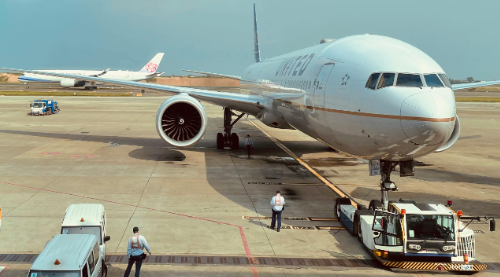
Air freight involves transporting cargo through commercial aircraft and dedicated cargo planes operating within domestic and international aviation logistics networks.
Air cargo focuses primarily on fast delivery and time-sensitive transportation. Businesses commonly use air freight for shipments requiring shorter transit times and higher transportation speed.
Common air freight cargo may include:
- Medical supplies
- Electronics
- Perishable products
- Urgent commercial shipments
- High-value goods
- Aviation parts
- Retail restocking inventory
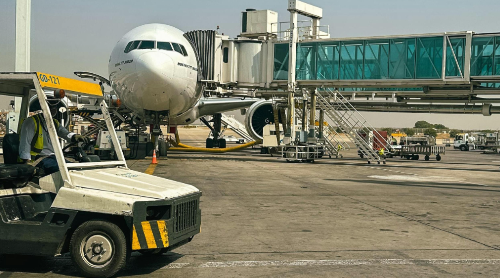
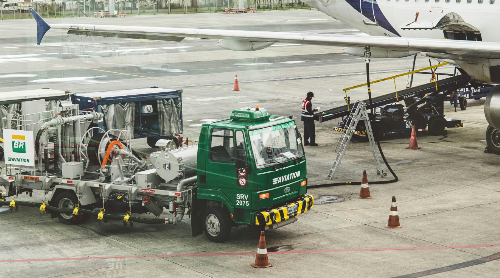
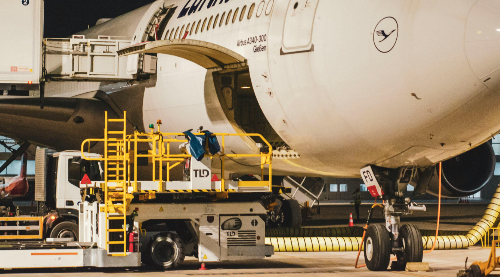
Air cargo operations depend heavily on airport infrastructure, freight terminals, cargo handling facilities, customs clearance systems, and aviation logistics coordination.
Speed & Transit Time Differences
One of the largest differences between sea freight and air freight involves transportation speed.
Air Freight Speed
Air freight offers significantly faster cargo delivery compared to maritime shipping. International air cargo shipments may arrive within days depending on destination routes, customs clearance, aircraft schedules, and airport operations.
This transportation method is often preferred when:
- Cargo is urgent
- Delivery deadlines are strict
- Products are time-sensitive
- Inventory replenishment is critical
Air cargo helps businesses reduce long transit delays while maintaining faster supply chain responsiveness.
Sea Freight Transit Times
Sea freight generally requires longer transportation periods because cargo vessels move through large maritime shipping routes involving ports, transshipment hubs, customs processing, and container handling systems.
Although slower, sea freight remains highly efficient for large-scale international cargo transportation because vessels can carry significantly higher freight volumes than aircraft.
Sea freight may be more suitable when:
- Shipping large cargo volumes
- Managing lower transportation budgets
- Moving heavy freight
- Handling non-urgent shipments
- Transporting industrial equipment
Businesses often choose sea freight when cargo capacity and freight cost efficiency are more important than rapid delivery speed.
Cargo Capacity Comparison
Cargo capacity represents another major difference between air freight and ocean freight systems.
Sea Freight Capacity
Container vessels can transport extremely large cargo volumes through international shipping routes. Ocean freight supports:
- Full container loads
- Bulk cargo
- Oversized freight
- Heavy machinery
- Industrial equipment
- Construction materials
- Vehicle transportation
Shipping containers also help improve cargo organization, freight scalability, and transportation efficiency across global maritime networks.
Sea freight remains one of the most practical solutions for large commercial shipments and long-distance international cargo movement.
Air Freight Capacity
Aircraft cargo capacity is significantly smaller compared to container vessels. Air cargo operations must account for aircraft weight restrictions, cargo dimensions, aviation safety regulations, and airport handling limitations.
Because of these limitations, air freight is generally more suitable for:
- Smaller shipments
- Lightweight cargo
- High-value goods
- Urgent deliveries
- Specialized freight
Oversized or extremely heavy cargo may become expensive or operationally difficult through air transportation systems.
Freight Cost Differences
Transportation costs vary significantly between air freight and sea freight operations.
Sea Freight Costs
Sea freight is often considered more cost-efficient for large-scale cargo transportation because container vessels can move massive cargo volumes at lower operational cost per shipment unit.
Ocean freight costs may depend on:
- Container size
- Cargo weight
- Shipping routes
- Fuel prices
- Port fees
- Freight demand
- Customs procedures
Although sea freight transit times are longer, businesses often choose this method to reduce international shipping expenses.
Air Freight Costs
Air freight typically involves higher transportation costs due to aircraft operations, fuel consumption, airport infrastructure, aviation security requirements, and cargo handling procedures.
Air cargo pricing often depends on:
- Cargo dimensions
- Chargeable weight
- Flight availability
- Fuel surcharges
- Security fees
- Delivery urgency
Businesses using air freight usually prioritize speed and rapid delivery over transportation cost savings.
Reliability & Shipping Flexibility
Both transportation methods offer different advantages regarding scheduling, flexibility, and logistics planning.
Air Freight Reliability
Air freight schedules can often provide faster and more predictable transportation timelines, particularly for urgent shipments requiring rapid cargo movement.
However, weather conditions, airport congestion, aircraft maintenance issues, and flight disruptions may still affect cargo schedules.
Sea Freight Flexibility
Sea freight provides greater flexibility for transporting large cargo volumes and diverse freight categories across international markets.
Containerized shipping systems allow businesses to move commercial goods through scalable transportation networks involving multiple ports and international trade corridors.
Sea freight also supports a broader range of cargo types, including oversized freight and industrial cargo that may be difficult to transport through aircraft systems.
Environmental Considerations
Environmental impact continues becoming an important factor in freight transportation planning.
Sea freight generally produces lower emissions per cargo unit compared to air freight because container vessels transport extremely large freight volumes simultaneously across maritime trade routes.
Air freight, while faster, often produces higher emissions due to aircraft fuel consumption and aviation operational intensity.
As sustainability becomes increasingly important within international logistics, many businesses evaluate freight transportation methods based partly on environmental considerations and supply chain efficiency.
Choosing The Right Freight Solution
Choosing between sea freight and air freight depends on operational priorities, cargo requirements, transportation timelines, and budget considerations.
Businesses may prefer sea freight when:
- Transporting large shipments
- Managing lower freight costs
- Moving heavy cargo
- Shipping non-urgent goods
- Using containerized transport systems
Businesses may prefer air freight when:
- Cargo delivery is urgent
- Products are time-sensitive
- Shipment volumes are smaller
- Rapid inventory movement is necessary
- High-value cargo requires faster transportation
Many global supply chains use both transportation systems simultaneously depending on inventory strategy, cargo urgency, and freight planning requirements.
The Role Of Ocean Freight From Australia
Ocean freight from Australia continues supporting international trade through container shipping systems and maritime logistics networks connecting Australian businesses with global markets. Sea freight remains essential for transporting industrial cargo, manufacturing goods, mining equipment, agriculture products, retail inventory, and commercial freight across international shipping corridors.
Understanding the differences between sea freight and air freight helps businesses build more efficient logistics strategies while improving cargo planning, transportation efficiency, and international shipping operations.